Best E-Commerce Platform in India (2026): Shopify vs WooCommerce vs AI Builders Compared
Which e-commerce platform is best in India in 2026? Honest comparison of Shopify India, WooCommerce, Wix, Dukaan, marketplaces and AI-built stores — ₹ pricing, fees, 3-year costs and a decision checklist.

We'll email you our Performance Marketing Setup Checklist instantly.
No spam. Unsubscribe anytime.
Choosing an e-commerce platform in India in 2026 is confusing because every option advertises the first-month price and hides the three-year cost. This guide compares all five realistic paths — Shopify, WooCommerce, simple builders like Wix, Indian options like Dukaan and the marketplaces, and the newest category, AI-built stores — on the numbers that actually matter.
Quick answer: best platform by situation
| Your situation | Best platform | Why |
|---|---|---|
| First store, budget under ₹50,000 | AI-built store (Lovable + Razorpay) | Live in ~60 min, you own it, lowest 3-year cost |
| Want convenience, budget flexible | Shopify India | Most polished, everything handled — at a price |
| Technical, want full control | WooCommerce | Free software, but you manage hosting and updates |
| Testing an idea, no audience | Amazon / Flipkart / Meesho | Instant customers, zero build cost, 15–30% commission |
| Local business selling on WhatsApp | Dukaan | Catalogue-first, built for Indian kirana-style selling |
| Funded D2C brand, complex ops | Shopify or agency-built | Apps, integrations and scale — budget accordingly |
Keep this table in mind — the rest of the article is the evidence behind it.

What is an e-commerce platform, exactly?
An e-commerce platform is the software your online store runs on. It holds your product catalogue, builds your pages, runs the cart and checkout, and tracks orders. Everything else — payments, shipping, ads — connects to it.
The one distinction that matters most: platform vs marketplace. On a marketplace (Amazon, Flipkart, Meesho) you sell on their store, next to competitors, by their rules, for a commission. On a platform (Shopify, WooCommerce, AI-built) you run your own store — your domain, your brand, your customer list.
The 5 real options in India
1. AI-built store (Lovable + ChatGPT + Razorpay)
The newest category, and the reason this guide looks different from lists written two years ago. Instead of picking a template and assembling a store, you describe your store in plain English — "a silk saree boutique with a cream and gold theme, 12 products, cart and Razorpay checkout" — and the AI builds the complete working website. Design, product pages, cart, payments, mobile responsiveness: all generated, all yours.
- Cost: domain ~₹1,000/year + AI tool subscription. Realistic 3-year total: ₹8,000–₹20,000.
- Time to launch: about 60 minutes for a working store with payments.
- Control: total — you own the code, the design, the data.
- Weakness: you are the store's developer, so comfort with AI tools helps (that is exactly what our AI E-Commerce Course teaches).
2. Shopify India
The default answer on most lists, and for good reason: hosting, security, updates and checkout are all handled. The app store covers everything from COD to shipping.
The catch is the bill. Plans start around ₹1,990/month, but Indian stores almost always add paid apps — COD confirmation, shipping integration, reviews, WhatsApp chat — adding ₹2,000–₹8,000/month. Realistic 3-year cost: ₹1,50,000–₹3,60,000, for a store you rent and never own. If you stop paying, the store goes offline.
- Best for: funded brands and sellers who value convenience over cost.
- Avoid if: your margins are thin or your budget is under ₹50,000.
3. WooCommerce
Free, open-source software that turns WordPress into a store. Full control, thousands of plugins, and you own everything.
The catch is responsibility. Hosting (₹5,000–₹15,000/year), security updates, plugin conflicts, backups and speed optimization are all your job — or your developer's, at ₹10,000–₹50,000/year. Realistic 3-year cost: ₹30,000–₹90,000 plus your time.
- Best for: technical users who enjoy tinkering.
- Avoid if: the phrase "update the PHP version" makes you nervous.
4. Wix and simple builders
Drag-and-drop builders with e-commerce bolted on. Fine for a very simple catalogue (a baker selling 10 cakes), limiting for anything more — weaker checkout customization, fewer India-specific integrations, and the same rent-forever model as Shopify.
5. Marketplaces and Indian platforms
Amazon Seller, Flipkart Seller and Meesho are not platforms for your store — they are access to their customers. Zero build cost, crores of buyers, and 15–30% per sale in commissions and fees. Dukaan sits in between: a WhatsApp-first catalogue app built for Indian local sellers, quick to start, limited as a brand.
The honest strategy most successful Indian sellers use: marketplaces for reach, own store for profit. Marketplaces to find customers; your own website to keep them.
Head-to-head: the numbers that matter
| AI-built store | Shopify | WooCommerce | Marketplace | |
|---|---|---|---|---|
| Setup cost | ~₹0 (your time) | ₹0 (trial) | ₹5,000–₹15,000 | ₹0 |
| Monthly running | ~₹100 (domain ÷ 12) | ₹4,000–₹10,000 with apps | ₹500–₹1,500 hosting | ₹0 |
| Commission per sale | ~2% (Razorpay) | ~2% + app fees | ~2% (gateway) | 15–30% |
| Coding needed | None (plain English) | None | Some | None |
| You own the store | Yes | No (rented) | Yes | No |
| Time to launch | ~60 minutes | 2–7 days | 1–3 weeks | 1–2 days |
| Maintenance burden | Near zero | None (included) | High | None |
The 3-year cost comparison
This is the table no platform's pricing page shows you:
| Platform | Year 1 | Years 2–3 | 3-year total |
|---|---|---|---|
| AI-built store | ₹8,000 | ₹12,000 | ~₹20,000 |
| WooCommerce | ₹20,000 | ₹40,000 | ~₹60,000 |
| Shopify (realistic, with apps) | ₹70,000 | ₹1,40,000 | ~₹2,10,000 |
| Marketplace (on ₹10 lakh sales) | ₹2,00,000 | ₹4,00,000 | ~₹6,00,000 |
Same store, same Razorpay checkout on the owned options. The marketplace row shocks people — but 20% of ₹10 lakh in sales is ₹2 lakh, every year. That is the price of borrowed customers. We break down every line item in our e-commerce website development cost in India guide.
Which platform should YOU pick?
Work through these in order:
- Do you already have buyers? No → start on a marketplace or Instagram/WhatsApp to validate demand. Yes → your own store is worth building today.
- Is your budget under ₹50,000? → AI-built store. Hiring anyone will eat the whole budget before launch.
- Do you want zero technical responsibility and have the budget? → Shopify, eyes open about the app costs.
- Do you enjoy managing servers and plugins? → WooCommerce.
- Do you want to own your store, pay almost nothing monthly, and launch this week? → AI-built store. This is the combination that didn't exist three years ago and now wins for most first-time Indian sellers.
New to e-commerce entirely? Read our plain-English guide to the features of e-commerce first, then come back to this table. Still deciding what to sell? Start with our list of 25 e-commerce business ideas you can start in India, sorted by budget. Already decided and just want the store live? Follow our step-by-step guide to building an e-commerce website using AI without coding.
Payments, UPI and COD in India
Whichever platform you pick, the Indian checkout has three non-negotiables:
- UPI first. Over half of Indian online transactions are UPI. Razorpay, Cashfree and PayU all support it at ~2% per successful transaction.
- COD is essential outside metros — but budget for return-to-origin losses of 15–30% on COD orders.
- GST invoicing. Marketplaces require GST registration; on your own store, gateways and shipping aggregators will ask for it as you scale. Check current thresholds with a CA.
No signup, instant score. Answer all 5 and check where you stand.
Platform-picking checklist
Run this before committing to anything:
Ticks are saved in this browser — come back and pick up where you left off.

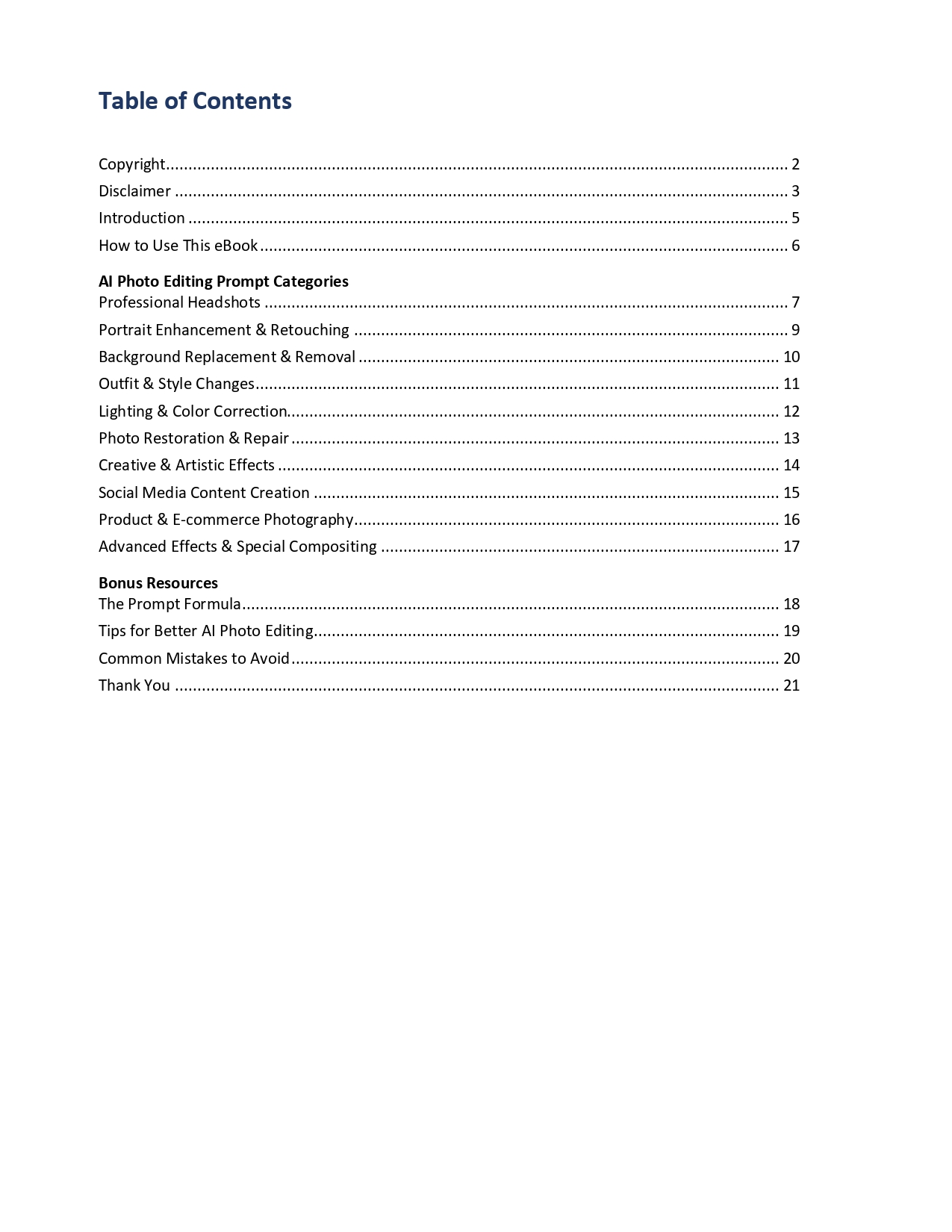
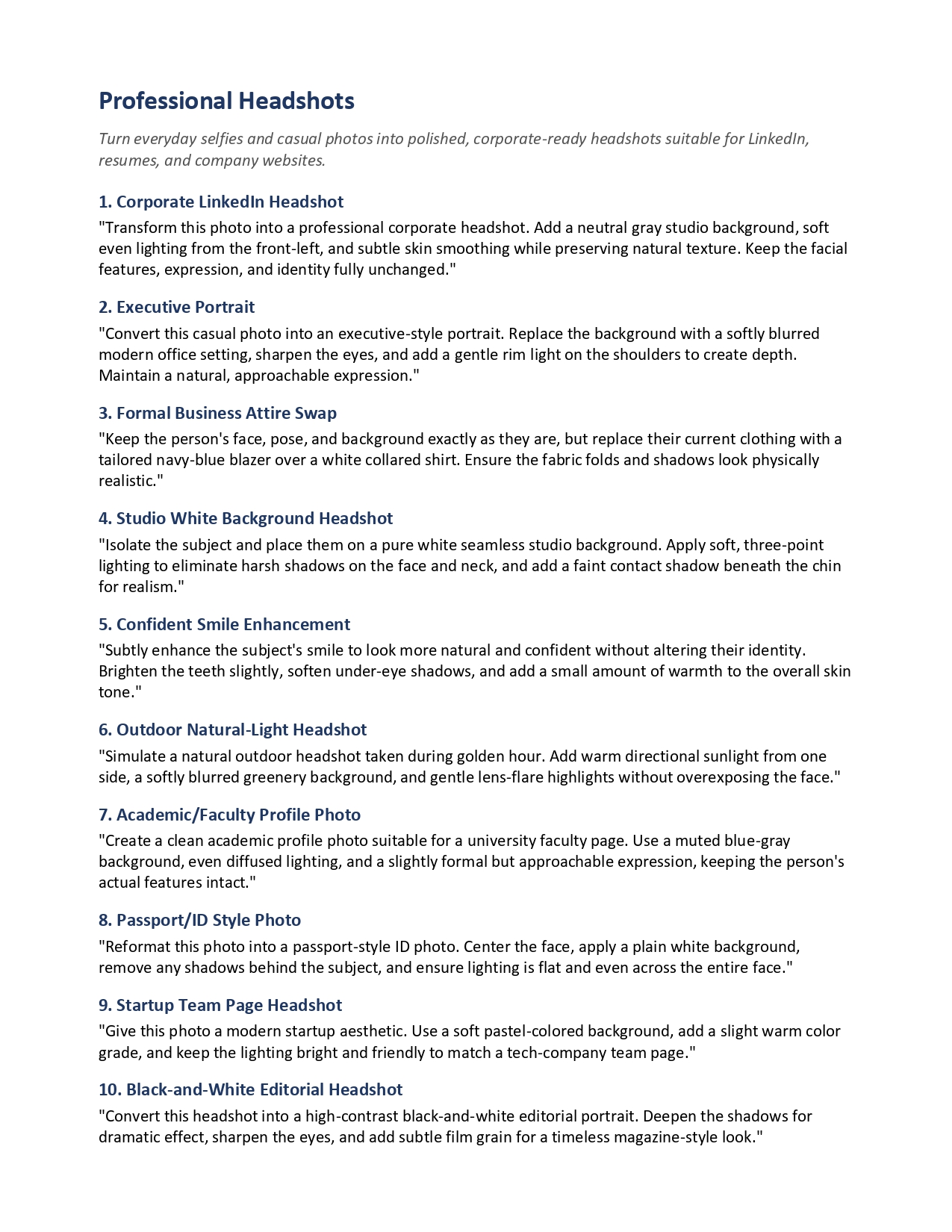
100+ AI Photo Editing Prompts Pack (Instant Download)
Copy-paste prompts for ChatGPT & Gemini photo edits
- 100+ copy-paste prompts across 8 categories: portraits, Instagram trends, backgrounds, product shots, restoration, creative styles, text-on-image and ad creatives
- The 6-part prompt formula with worked examples
- Follow-up prompts to fix likeness, lighting and background issues
- Aspect-ratio cheat sheet for every social and ad placement
Look inside
Secure Razorpay checkout One-time payment, lifetime accessInstant download
The bottom line
The "best e-commerce platform in India" is the one whose 3-year cost, ownership terms and launch speed match your situation — not the one with the biggest ad budget. For most first-time sellers in 2026, the math points to owning your store instead of renting one.
If you want to build it yourself, our AI E-Commerce Website Course teaches the whole process live: a complete store with Razorpay payments in 60 minutes, AI product photography, Meta lead-gen ads to bring customers, and a freelancing blueprint to build stores for clients at ₹15,000–₹80,000 each. Recorded plan ₹1,499, live 2-week batch ₹4,999 — less than two months of a typical Shopify bill. And if you want a head start on the visuals, our AI photo editing prompts pack turns phone photos into catalogue-ready product shots.
Want the other 40+ prompts? The full pack adds the fix-it prompts, worked examples and aspect-ratio cheat sheets.
Related: how to start an e-commerce business in India · dropshipping in India · e-commerce course guide.
Related: Top e-commerce companies in India and e-commerce jobs in India.
Glossary
- E-Commerce Platform
- The software your online store runs on — it handles your product catalogue, cart, checkout and orders. Shopify, WooCommerce and AI builders are all platforms; marketplaces like Amazon are not (you sell on theirs).
- SaaS (Software as a Service)
- Software you rent monthly instead of owning. Shopify is SaaS — stop paying and your store disappears.
- Self-Hosted
- You rent server space and install the store software yourself (WooCommerce on WordPress hosting). More control, more responsibility.
- Marketplace
- A platform like Amazon, Flipkart or Meesho where you list products alongside other sellers. They bring the customers and take a commission per sale.
- Payment Gateway
- The service that collects UPI, card and net-banking payments on your store — Razorpay, Cashfree and PayU are common in India, charging around 2% per successful transaction.
- Transaction Fee
- A percentage some platforms take from every order on top of payment gateway charges. Shopify charges extra if you don't use their payment system; marketplaces take 15–30%.
- AI Website Builder
- Tools like Lovable that generate a complete working store from plain-English instructions — design, cart and payments included — instead of templates you assemble yourself.
- COD (Cash on Delivery)
- Letting customers pay when the product arrives. Essential in India, but adds courier charges and return-to-origin losses.
- GST
- Goods and Services Tax. Selling online in India generally requires GST registration, and marketplaces require it before you can list.
Sources & Further Reading
Frequently Asked Questions
Which e-commerce platform is best in India?+
For most first-time sellers and small businesses in 2026, an AI-built store (Lovable + Razorpay) is the best value — you own everything and the 3-year cost is a fraction of SaaS subscriptions. Shopify is the best hosted option if you want convenience over cost, WooCommerce suits technical users who want full control, and marketplaces like Amazon, Flipkart and Meesho are best when you want instant customer reach and don't mind 15–30% commissions.
Which is the cheapest e-commerce platform in India?+
An AI-built store is the cheapest over time: roughly ₹8,000–₹20,000 over 3 years including domain and tools, and you own the store. WooCommerce software is free but hosting, themes and maintenance push it to ₹30,000–₹90,000 over 3 years. 'Free' plans on SaaS platforms add transaction fees and forced branding, and marketplaces are free to join but take 15–30% of every sale — the most expensive option at any real volume.
Shopify vs WooCommerce — which is better for India?+
Shopify is easier: hosting, security and updates are handled for you, but it costs ₹1.5–3.6 lakh over 3 years once you add the apps most Indian stores need (COD, shipping, WhatsApp). WooCommerce is cheaper in software but you manage hosting (₹5,000–₹15,000/year), updates, security and plugin conflicts yourself. If you want neither the rent nor the maintenance, an AI-built store sidesteps both.
Can I build an e-commerce website for free in India?+
You can start nearly free: marketplaces charge nothing to join, and an AI-built store costs little more than a domain (~₹1,000/year). But 'free e-commerce website' offers always make money somewhere — transaction fees, forced ads, no custom domain, or no ownership of your design and data. Treat free as a trial, not a plan.
Marketplace vs own website — what should a new seller choose?+
Start where your customers already are. If you have no audience, list on Amazon/Flipkart/Meesho to validate demand fast. Build your own store in parallel — on your own site you keep 100% of the margin (minus ~2% payment fees), own the customer data for remarketing, and control the brand. Most successful Indian sellers eventually run both: marketplaces for reach, own store for profit.
Do I need coding to run an e-commerce store?+
No. Shopify, Wix and Dukaan are no-code by design. WooCommerce needs comfort with WordPress, plugins and hosting. AI builders like Lovable need the least of all — you describe the store in plain English and it builds product pages, cart and Razorpay checkout for you; our students build a complete store in 60 minutes without writing a line of code.
Which e-commerce platform supports UPI and COD in India?+
All serious options do, but with effort differences. Shopify India supports Razorpay/PayU for UPI and has COD apps (usually paid). WooCommerce supports both via free plugins. Marketplaces handle payments entirely. An AI-built store with Razorpay supports UPI, cards, net banking and wallets out of the box at ~2% per transaction, and COD can be added as a simple order option.
Do I need GST to sell online in India?+
For marketplaces like Amazon and Flipkart, yes — GST registration is required before listing (with limited exceptions for exempt categories). For your own website, GST requirements depend on your turnover and product category; many small sellers register voluntarily because payment gateways and shipping aggregators ask for it. Check the current thresholds with a CA before you start.
Join our live training program and become a performance marketing professional.